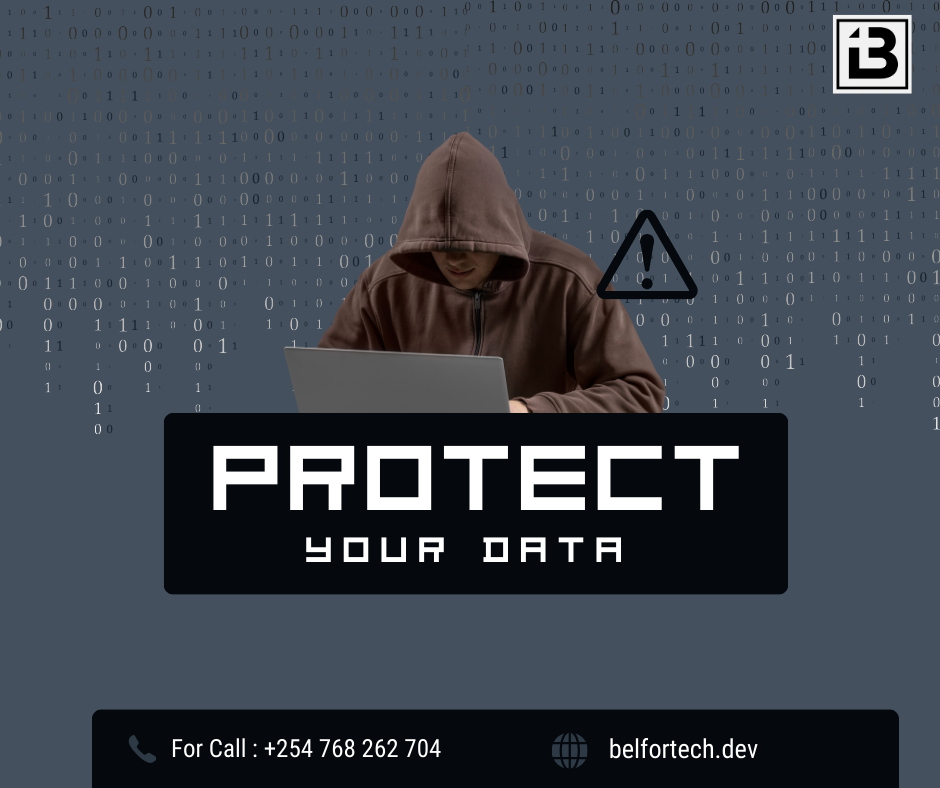
In today’s digital economy, cybersecurity is no longer just an IT concern, it’s a business survival issue. Small and medium-sized enterprises (SMEs) are especially vulnerable because they often lack the resources of larger corporations. In fact, studies show that nearly 43% of cyberattacks target small businesses, and many don’t recover after a major breach.
SMEs must adopt practical, affordable, and proactive security strategies to safeguard data, maintain compliance, and build customer trust.
Why Cybersecurity Matters for SMEs
1. Data is a business asset: Losing customer records, financial data, or intellectual property can cripple operations.
2. Compliance requirements are stricter: Regulations (like GDPR, Kenya’s Data Protection Act, HIPAA for healthcare) now demand stricter data handling.
3. Reputation is everything: Customers are quick to lose trust if their data is compromised.
Best Practices for Cybersecurity in 2025
1. Data Protection First
- Use end-to-end encryption for sensitive communications.
- Enable automatic backups in secure cloud environments.
- Store critical files with access restrictions based on roles.
2. Strong Authentication
- Require multi-factor authentication (MFA) for all accounts.
- Implement password managers to avoid weak or reused passwords.
- Regularly review and remove unused accounts.
3. Regular Employee Training
- Most cyberattacks begin with human error.
- Train staff to identify phishing emails, fake invoices, and suspicious links.
- Conduct simulated attacks to test employee awareness.
4. Stay Compliant with Regulations
- Understand your industry’s rules (GDPR, HIPAA, PCI DSS, local data protection laws).
- Appoint a compliance officer (even part-time) to monitor practices.
- Document all security measures for audits and customer trust.
5. Adopt Affordable Cybersecurity Tools
- SMEs don’t need enterprise budgets to be secure. Affordable tools include:
Antivirus & endpoint security: Bitdefender, Avast Business
- Firewalls: pfSense, Ubiquiti
- Backup solutions: Acronis, Backblaze, Google Drive for Business
- Password managers: LastPass, 1Password
- Monitoring & alerts: Open-source SIEM tools like Wazuh
6. Regular Patching and Updates
- Outdated software is one of the biggest risks.
- Automate updates for operating systems, apps, and plugins.
- Retire unsupported tools that can’t be secured.
7. Incident Response Plan
- Define what to do if an attack happens.
- Assign roles (who communicates, who secures systems, who reports to regulators).
- Practice response drills quarterly.
As AI-driven cyberattacks and more sophisticated phishing schemes rise in 2025, SMEs must see cybersecurity not as an expense but as insurance for business continuity. With the right mix of training, affordable tools, and compliance measures, small businesses can build defenses strong enough to thrive in today’s digital landscape.
The message is simple: Cybersecurity is business security.