The digital marketing landscape is evolving faster than ever, and small and medium enterprises (SMEs) are feeling the pressure to keep up. What worked even a year ago may no longer deliver results in 2025. To stay competitive, SMEs must be aware of the shifts shaping customer behavior, technology, and online communication. This year, several key trends stand out as essential for businesses that want to grow their presence, strengthen customer loyalty, and drive meaningful engagement.
1) Artificial Intelligence
AI and automation are no longer luxuries reserved for big corporations; they’ve become essential tools for small businesses too. From chatbots that handle customer queries around the clock to algorithms that analyze audience data and optimize ad performance in real time, AI is redefining how SMEs connect with their audiences. Generative AI tools also make it easier to create quality content, design visuals, and personalize messaging, all at a fraction of the time and cost it once required.
2) Automation
This shift towards automation ties directly into another major trend: hyper-personalization. Customers expect brands to know them, understand their needs, and deliver relevant experiences. Whether it’s an email campaign tailored to a customer’s purchase history or personalized product recommendations on a website, businesses that make customers feel seen and valued will always stand out. However, as personalization deepens, so does the need for trust. In 2025, data privacy and transparency are crucial. SMEs must clearly communicate how they collect and use customer data, comply with evolving privacy regulations, and treat data protection as a core part of their brand reputation.
3) Creative Content
Another area where businesses can’t afford to fall behind is content. Short-form video has become the undisputed king of digital engagement. Platforms like TikTok, Instagram Reels, and YouTube Shorts dominate user attention, especially among younger audiences. The beauty of short-form video is that it allows brands to showcase their personality quickly and creatively, without the need for a massive production budget. In addition to video, interactive content such as polls, quizzes, and live streams continues to gain traction because it invites participation rather than passive consumption. These formats are not only fun but also effective at building community and deepening customer relationships.
4) Social Commerce
At the same time, social commerce, the merging of social media and e-commerce is reshaping how people shop online. Today, consumers are more comfortable buying directly from social platforms without ever visiting a separate website. This means SMEs should prioritize setting up in-app stores, shoppable posts, and integrated payment options across social channels. Blending online and offline experiences is also becoming important, as customers increasingly value hybrid engagement: for instance, an online brand hosting physical pop-up events or live demonstrations to build authenticity and trust.
5) Search Optimization
As digital platforms evolve, so do the ways people search for information. Voice and visual search are on the rise, driven by the widespread use of smart speakers, mobile assistants, and image-recognition technology. This change requires a shift in SEO strategy. Instead of relying on short, generic keywords, SMEs need to optimize their content for natural, conversational phrases, the way people actually speak when using voice search. Similarly, investing in high-quality visuals with accurate descriptions helps businesses appear in visual search results, a growing source of online traffic.
6) Branding
Another defining trend of 2025 is the growing emphasis on purpose-driven branding. Modern consumers, particularly younger ones, are drawn to brands that stand for something beyond profit. Whether it’s environmental sustainability, social responsibility, or community engagement, businesses that demonstrate authenticity and align with values their customers care about will enjoy stronger loyalty. For SMEs, this doesn’t mean adopting grand causes; it could be as simple as supporting local suppliers, reducing waste, or highlighting the impact of their work in their communities.
7) Data and Analytics
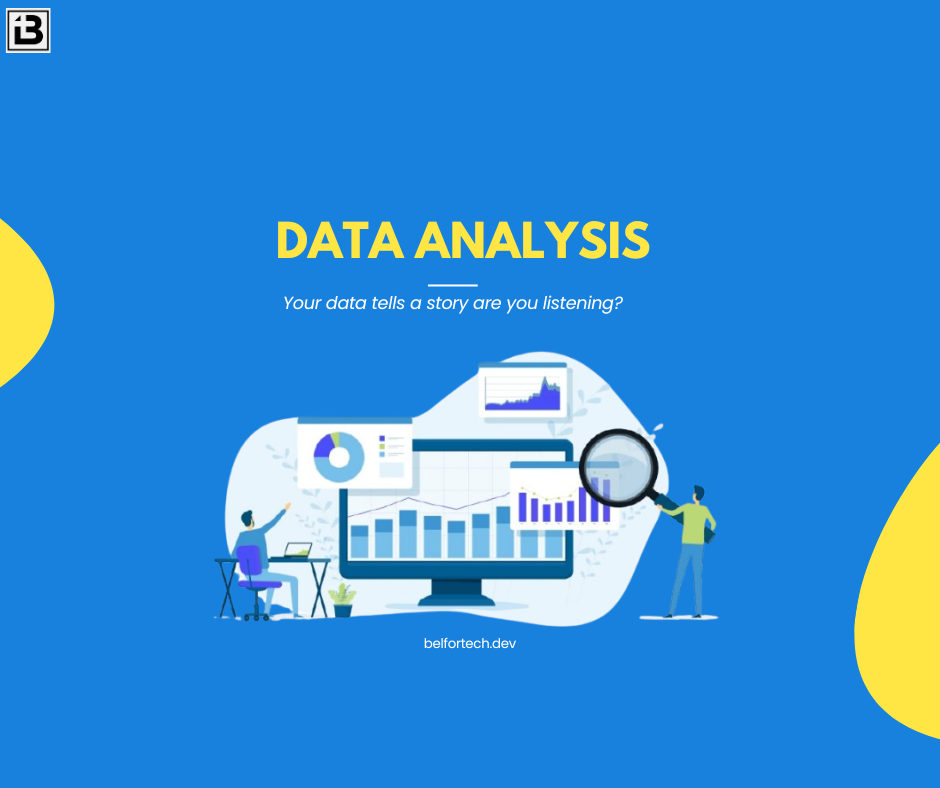
With all these changes, data remains the backbone of effective marketing. The ability to measure, analyze, and adapt is what separates growing SMEs from struggling ones. Real-time analytics now allow even small businesses to track the performance of their campaigns, identify what’s working, and pivot quickly when something isn’t. As competition intensifies, data-driven decision-making is not optional, it’s the key to staying efficient and profitable. Regular testing, such as A/B comparisons for content and ads, helps businesses learn faster and make every marketing dollar count.
8) Local Visibility
Local visibility also remains vital. In markets like Kenya and across Africa, local SEO plays a critical role in connecting businesses to nearby customers. With the increasing importance of voice and AI-driven search results, optimizing for zero-click search, where answers appear directly in search results, has become a new frontier for digital visibility. Ensuring your business information is consistent across Google, social media, and local directories makes it easier for customers to find and trust you.
For SMEs looking to thrive in 2025, the goal is not to adopt every trend at once but to focus on what aligns best with their goals and customers. Start by auditing your current marketing tools and processes. Identify where automation could save time, which channels drive the most engagement, and how customer feedback can improve your messaging. Experiment with new formats like short videos or chatbots, but do so strategically and track results along the way. Above all, build trust because in an age where consumers are overwhelmed with options, trust and authenticity are what make brands stand out.
The digital future is already here, and it favors businesses that are agile, data-informed, and customer-obsessed. SMEs that embrace technology while keeping a human touch will not only survive the shifts of 2025 but also lead the way into the next era of digital marketing.