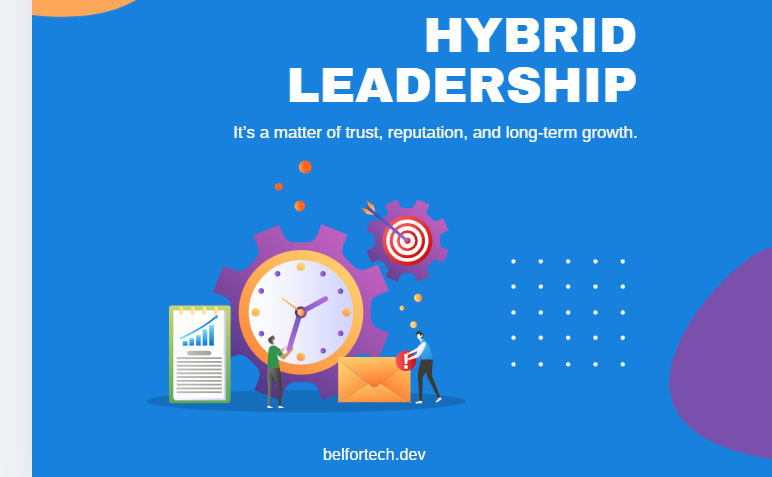
As 2025 nears its close, organizations across the world are stepping into the crucial fourth quarter, the time when strategy meets execution and leadership truly gets tested. In this fast-changing environment, one thing has become clear: the leaders who thrive in Q4 2025 are those who embrace hybrid leadership, a style grounded in adaptability, trust, and empowerment.
The Shift from Control to Connection
The workplace of today looks nothing like it did a few years ago. Hybrid work has become the norm, blending in-office collaboration with remote flexibility. But while technology has made hybrid work possible, it’s leadership mindset that makes it successful. Traditional leadership often relied on control, the idea that visibility equals productivity.
However, hybrid teams have shown that autonomy drives results far more effectively than surveillance. The best leaders understand that their role isn’t to monitor but to motivate. They focus on outcomes rather than attendance, and they prioritize trust over tracking.
What Hybrid Leadership Really Means
Hybrid leadership isn’t about managing two worlds; it’s about bridging them. It requires a balance between flexibility and accountability, ensuring that teams feel both supported and empowered. The best hybrid leaders lead with empathy rather than ego. They communicate goals clearly but give their teams the freedom to determine how those goals are achieved.
They measure success through results, not by the number of hours someone is logged in, and they delegate responsibility to encourage ownership and innovation. These leaders don’t micromanage; they build confidence and competence through empowerment.
Why It Matters in Q4
This mindset is especially critical in Q4, when teams are under pressure to meet targets, deliver on promises, and plan for the year ahead. In these high-stakes moments, micromanagement creates friction, slows decision-making, and often leads to burnout.
On the other hand, hybrid leaders who empower their teams create room for creativity and agility, qualities that drive performance and help close the year strong. When people feel trusted, they take initiative. When they are given flexibility, they perform at their best.
Building Trust-Based Teams
The foundation of hybrid leadership is trust, and trust doesn’t just happen — it’s built intentionally. Great leaders cultivate it through consistent communication, open feedback, and visible recognition of their team’s efforts. They encourage collaboration across locations so remote employees feel equally included and valued.
They also model balance, showing that productivity and well-being can coexist. By demonstrating empathy and respect, they inspire loyalty and long-term engagement, key ingredients for sustained performance.
Looking Beyond Q4
As we approach the end of 2025, hybrid leadership is no longer a buzzword, it’s the future of effective management. The organizations that will thrive in 2026 are those that have mastered the art of leading through trust, empowerment, and adaptability.
Leadership in this new era isn’t about being everywhere at once, it’s about being present where it matters most. It’s about creating teams that don’t just meet deadlines but grow stronger together through autonomy and shared purpose.
As Q4 comes to a close, leaders everywhere should ask themselves one important question: are you managing your team, or empowering them to lead themselves?